

-
“Top Dog” competition highlights Friday night qualifying in St. Louis
-
NAPA Auto Parts NHRA Midwest Nationals set for football-adjacent FOX broadcast
-
Unofficial Mission Foods points standings

-
Sellout crowd at debut NHRA Nationals at The Rock
-
Last Driver Standing low qualifier bonus coming to NHRA Nationals at The Rock
-
-
September issue of National Dragster jam-packed with NHRA race results

-
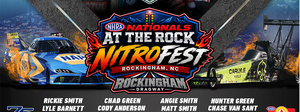
Rockingham NitroFest fan event kicks off NHRA Nationals at The Rock
-
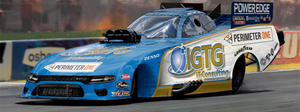
IGTG, Perimeter.One join Paul Lee Racing as primary sponsor at The Rock
-
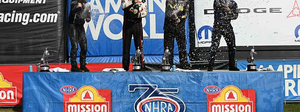
Langdon, Vandergriff, Coughlin, and Hall claim inaugural Michigan titles
-
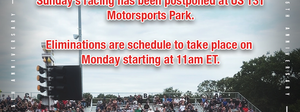
Persistent weather postpones Dodge NHRA Great Lakes Nationals racing until Monday
-
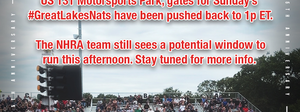
Schedule adjustment for today's Dodge NHRA Great Lakes Nationals—Optimistic for 4 p.m. start time
-
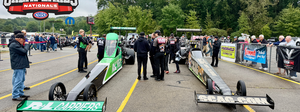
Saturday preview: Dodge NHRA Great Lakes Nationals presented by Mopar
-
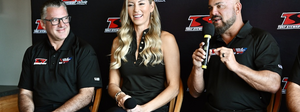
Watch the press conference: Tony Schumacher to join Tony Stewart Racing as Leah Pruett steps out of seat for 2027
-
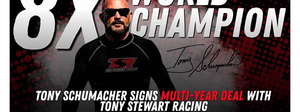
Tony Schumacher signs multi-year deal with Tony Stewart Racing
-
Friday preview: Dodge NHRA Great Lakes Nationals presented by Mopar
- ad
-
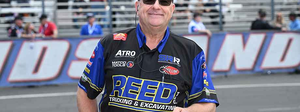
Rick Ware Racing announces addition of crew chief Rob Wendland
-
Brown named Founding Motorsports Ambassador for Prostate Cancer Connection

-
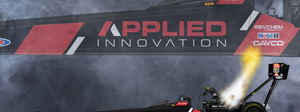
Kalitta enters inaugural Michigan race with Applied Innovation along for the ride
-
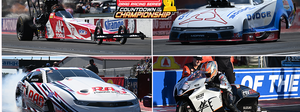
Countdown to the Championship playoffs opens with major storylines
-
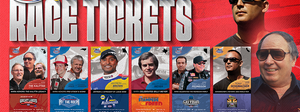
Final wave of NHRA 75th Anniversary commemorative tickets features top names
-
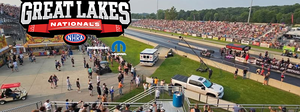
NHRA Countdown to the Championship ready for kickoff in Michigan
-
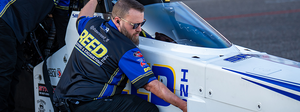
Shawn Reed Racing parts ways with Wendland; tabs Elliott as crew chief
-
Kalitta Motorsports, Mac Tools announce multiyear partnership extension
-
Cruise Michigan with NHRA, Dodge, and Mopar, and test-drive new Dodge vehicles at US 131 on Sept. 17
-
Five things we learned in Indy
- ad
-
2026 Cornwell Quality Tools NHRA U.S. Nationals Super Gas winner Rob Kropfeld
-
Howey returns to Indy with his eyes on a Top 10 berth
-
Nataas looks to add to previous Indy success story
-
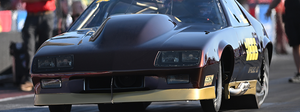
Outlaw Street's Paige Coughlin looks to add a Wally to extensive family collection
-
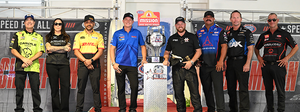
First-round pairings set for Sunday's PlayNHRA Funny Car All-Star Callout
Matt Stutzman, medal-winning 'Armless Archer,' will compete at U.S. Nationals
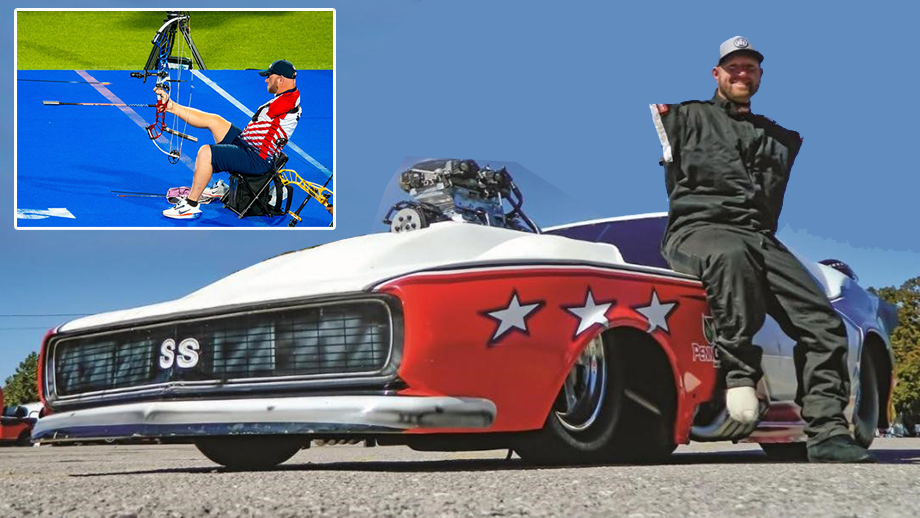
Paralympic gold medalist Matt Stutzman, known worldwide as the “Armless Archer” for his remarkable achievements in competitive archery without the use of arms, will make NHRA history when he competes in Right Trailers Top Sportsman at the Cornwell Quality Tools NHRA U.S. Nationals
After recently achieving his longtime goal of hitting 200 mph in his race car, the 42-year-old Stutzman is officially entered at the NHRA U.S. Nationals.
In this exclusive interview, Stutzman talks about how he’s overcome the many challenges in his life and now prepares to suit up to live out a longtime dream.
Q: You were born without arms. Can you talk about your early life and how you learned to adapt?
Stutzman: I was born without any arms. There was no medical reason the doctors could find; nothing my mom did caused it. But after I was born, doctors told my parents it would cost millions of dollars to raise me, and that I’d never be able to do anything on my own. Because of that, they put me up for adoption when I was 3 months old. I spent about 10 months in foster care before being adopted by an amazing family from Iowa. That was probably the best thing that ever happened to me. My parents, Leon and Gene Stutzman, taught me to adapt to the world, instead of expecting the world to adapt to me. They believed in me before I believed in myself, and that mindset has shaped everything I’ve done.
Q: How did your love for racing begin?
Stutzman: When I was about 8 or 9, a guy gave my dad a motorcycle and told him if I could fix it, I could have it. I spent the summer tearing it apart, learning how it worked, and putting it back together. When it ran, I thought, “This is the coolest thing ever.” That moment made me want to be in racing. The bike didn’t care that I had no arms; it worked for me. From then on, I dreamed of being a professional race-car driver. It took me a long time, but I’ve been working toward that ever since.
I didn't just jump into this. I spent 13 years, every year going faster and faster. I didn't just decide one day to wake up and go 200, and we spent all last year doing 180, then 190, and then 200 this year, so when it's 200, it's fairly familiar already, and I know how to handle certain situations.
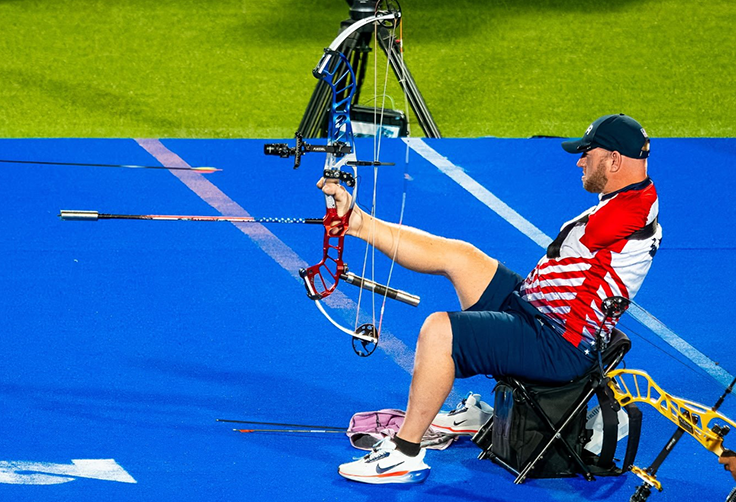
Q: Before racing, you became known for Paralympic archery. How did that fit into your journey?
Stutzman: Archery, like racing, doesn’t care that I don’t have arms. I use the same bows and equipment as everyone else; I just shoot differently. It was also cheaper to get into than racing. That became my first competitive sport where I realized I could reach a world-class level. For the last 12–13 years, archery consumed my time. I loved competing against the best, and I even won at the Paralympic Games. But all along, I still carried the dream of racing. Toward the end of my archery career, I was finally able to transition into drag racing, and that experience even helped me prepare for the Paris Games.
Q: Did you have to prove to the DMV that you could drive before getting a license?
Stutzman: Yes. I actually passed driver’s ed at 16, but they wouldn’t give me a license because they were afraid of liability. The state made me wait until I was 18. Then I had to work with a physical therapist on reaction times and driving. After that, I went to the DOT [Department of Transportation], where four different instructors had to pass me. If one failed me, I’d have to start over. Fortunately, I passed them all, and I’ve been driving anything on wheels ever since.

Q: And for drag racing, I assume the licensing process was even tougher?
Stutzman: Absolutely. NHRA licensing was probably even harder, but I understood why. We’re talking about racing side by side at over 200 mph. Safety matters. I spent about a year and a half preparing, finding special SFI-rated socks for my feet, customizing equipment, and proving I could handle the car. Eventually, I earned the license. Now, other racers know I’m capable. They see me as a competitor, not “the armless guy.” That’s all I’ve ever wanted.
Q: Who in NHRA signed off on your license?
Stutzman: Nick Duty from Division 5. About a year and a half ago, I told him I’d been racing locally for over a decade and wanted to move up. He told me what I needed to do, and here we are now: I’m headed to the U.S. Nationals. It’s surreal.
Q: Have you raced any NHRA events yet?
Stutzman: Yes, I ran at Brainerd in the divisional race before the national event. We cracked 214 mph there. I got my license earlier in the year in St. Louis, then spent the summer racing and testing at different tracks. By the time I got to Brainerd, we were ready, even though the car gave us some trouble. Now everything’s fixed, and we’re set for Indy.
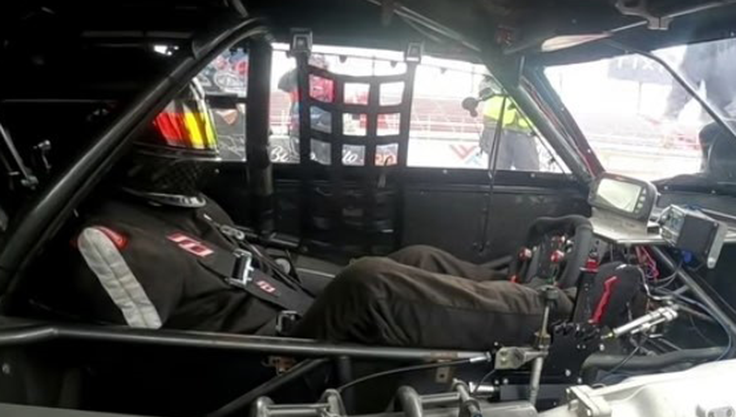
Q: Walk me through how you actually drive the car. How do you control everything with your feet?
Stutzman: We designed the car so it could still be sold to someone with arms; only minor changes were made. The steering column is shortened by 12 inches so the wheel sits down near the pedals. My right foot holds the steering wheel, which has all the controls like the transbrake and parachutes. Once I stage, that foot never leaves the wheel until the car is shut off. My left foot works the gas and brake. We also built a backup system so I can mechanically deploy parachutes if needed.
We even added a safety system where I can yank a cable to instantly release my seat belts after a run or in an emergency another for the window net, and another for the door. In a blind exit test, I got out in about 18 seconds, sometimes faster than other drivers, since I don’t have to remove the steering wheel.
Q: What kind of performance numbers are you running?
Stutzman: We’ve run 216–217 mph and consistent 6.40 e.t.s, but I’m aiming for a 6.30 car going into the U.S. Nationals. I want to qualify in the Top 10.
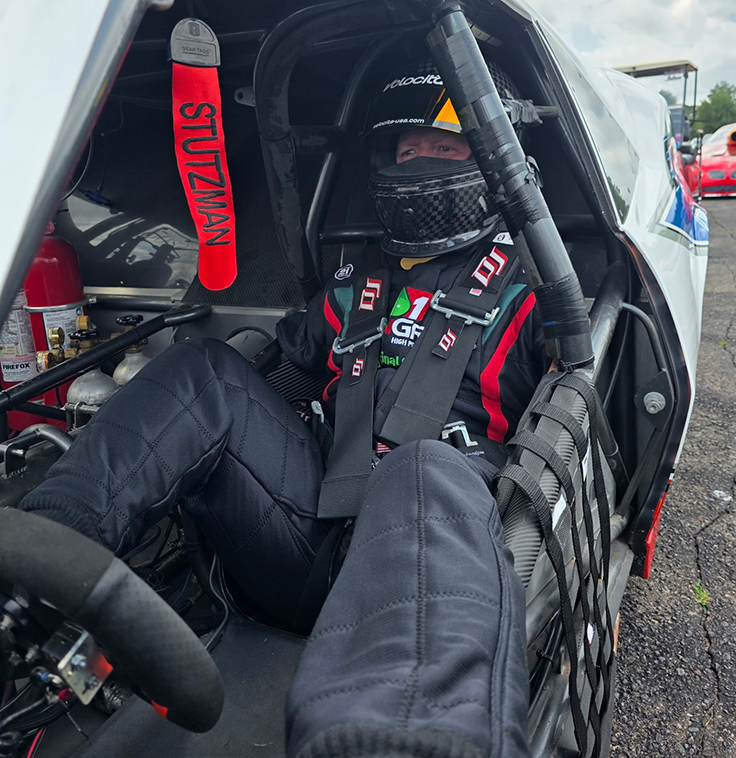
Q: How are your reaction times on the Tree?
Stutzman: Pretty solid. I leave off the transbrake on the wheel. On a good day, I’m in the .0s or double-0s, and I’ve even hit a perfect .000 before.
Q: Tell me about the special equipment you use to steer.
Stutzman: MPI Steering Wheels and Stand 21 made custom gear for me. Stand 21 built special SFI-20 socks, kind of like mittens for my toes, with grippers that match the wheel. My big toe and second toe work like fingers. I’ve got a lot of dexterity and strength. I even challenge people to try pulling the wheel out of my toes, and no one’s done it yet.
Q: What does it mean to you to race in the NHRA, alongside legends?
Stutzman: It’s a dream come true. I’ve been working toward this for over a decade. Just being on the same premises as John Force and all the greats is surreal. It feels like my “pinch me” moment.
Q: Who are your sponsors helping make this possible?
Stutzman: PennGrade1 is huge. What’s amazing is when I told them my dream, instead of saying, “That’s crazy,” they said, “How can we help?” I’m also supported by Allianz, Google, Stand 21, Quick Performance, MPI, Stroud, and more. They all believe in me, and that’s incredible.
Q: Will your parents be at the U.S. Nationals to see you race?
Stutzman: Yes. My parents confirmed they’ll be there for my qualifying runs. They’ve only watched me race once before, so this will be really special. It feels like everything has come full circle.